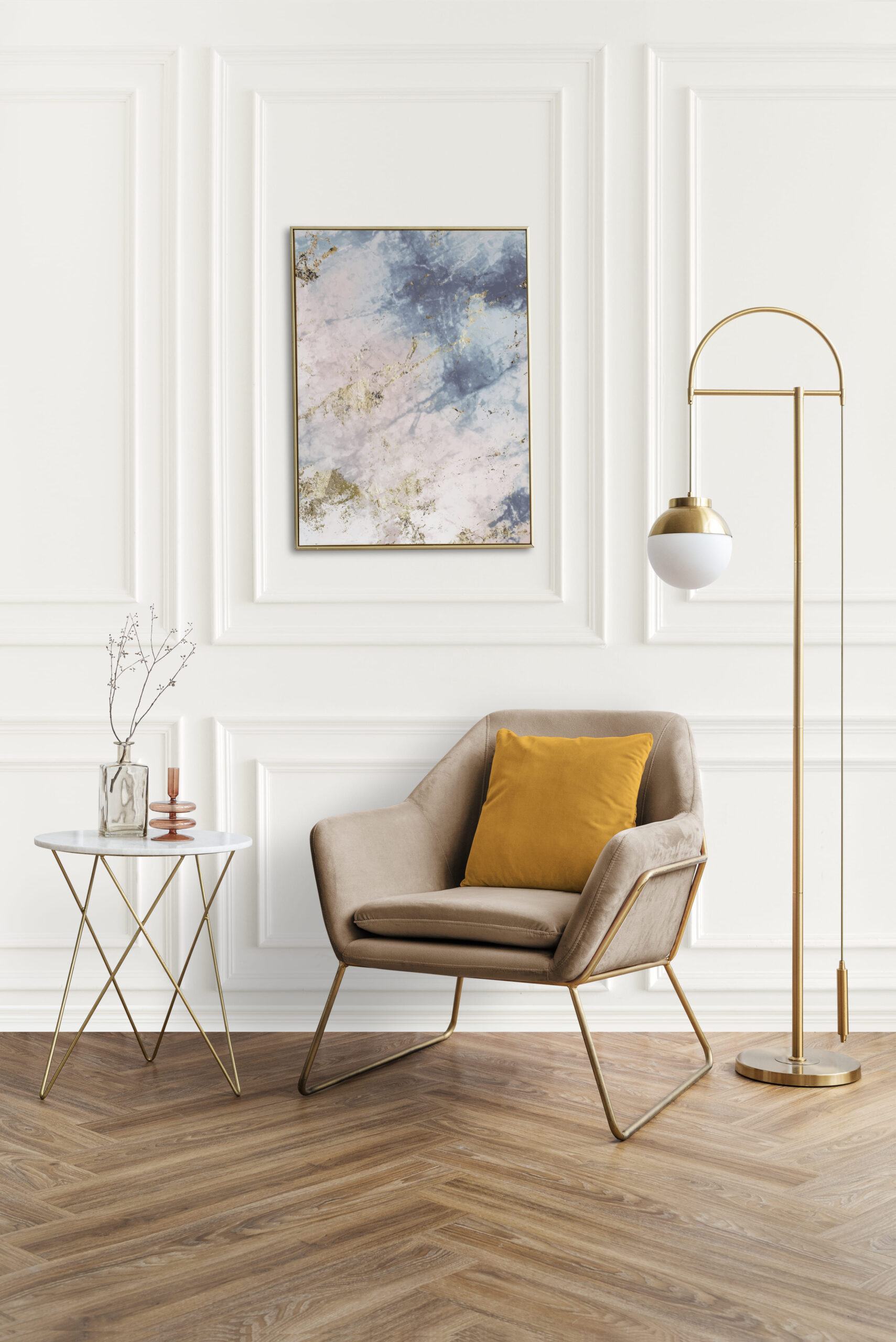
The impact of lighting in interior design goes far beyond mere illumination. Proper lighting is an essential aesthetic tool that can highlight architectural details, draw attention to standout décor pieces, and shape the emotional tone of each room. When used deliberately, lighting enhances wall colors, refines the appearance of furniture, and creates visual depth—making small spaces feel larger and intimate spaces feel cozier.
The importance of lighting in interior design
Lighting choices (type, placement, and distribution) directly influence perception: soft, diffused light fosters calm and warmth, ideal for bedrooms and living rooms, while stronger, whiter light supports productivity in kitchens and offices. Natural light plays a vital role in mood and energy; planning window placement and maximizing daylight should be a priority. Meanwhile, hidden and side lighting add artistic layers that increase depth and emphasize architectural character.
In modern interiors, lighting works as part of the home’s visual identity—designers blend natural and artificial sources to achieve balance. Thoughtful lighting planning results in a cohesive décor that harmonizes beauty, comfort, and function, enabling homeowners to shape environments that suit each room’s purpose.
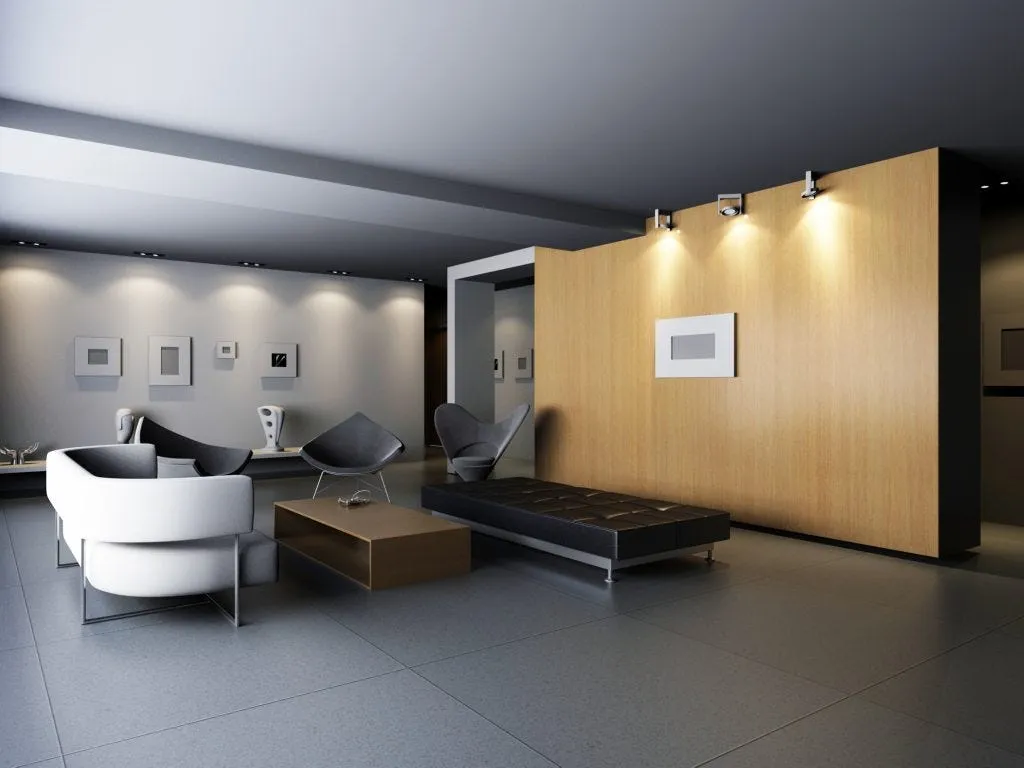
How Does Lighting Enhance the Aesthetics of Interior Spaces?
Lighting significantly enhances the beauty of interior design, as it is not only a source of basic illumination but also a visual tool that transforms the atmosphere of the space. Effective lighting brings out furniture details, highlights unique architectural features, and creates optical depth that makes small rooms feel more open and inviting. Warm lighting creates intimacy and comfort, while white or natural lighting adds freshness and spaciousness.
When lighting is thoughtfully paired with wall colors and furniture, the result is a cohesive and visually appealing environment that reflects the homeowner’s personality. This is why lighting is considered one of the most essential elements for achieving a visually impactful interior design.
How to Enhance Lighting Impact in Interior Design
- Use layered lighting (ambient – direct – concealed).
- Choose appropriate color temperatures (warm/cool).
- Highlight decorative elements such as artwork or feature walls.
- Blend natural and artificial light for visual balance.
The Role of Lighting in Highlighting Furniture and Décor Details
Lighting plays a major role in defining how colors and materials appear within a space. When directed correctly toward specific furniture items, lighting reveals fabric depth, wood textures, fine patterns, and surface finishes more clearly. Side and hidden lighting enhances edges and dimensions, giving pieces a more luxurious appearance.
Targeted light on walls or artwork showcases the fine details of each item, while warm lighting creates a calm, cozy ambiance. Conversely, bright white lighting gives a sense of clarity and spaciousness. Overall, lighting elevates the value of décor and turns each furniture piece into a visually impactful element.
Highlighting Furniture with Focused Lighting
Lighting is essential for emphasizing furniture details, transforming ordinary pieces into standout artistic elements when used properly. Focused lighting on luxurious materials such as wood, leather, or textured fabrics brings out their natural beauty, color depth, and finishing quality. Side and directional lighting also reveal fine details like stitching, carvings, and fabric textures.
Additionally, hidden lighting around shelves or cabinets adds a modern, elegant touch that enhances the space’s balance. With professional lighting techniques, attention is naturally drawn toward the most attractive elements of the room, creating a cohesive visual experience that reflects refined and thoughtful interior design.
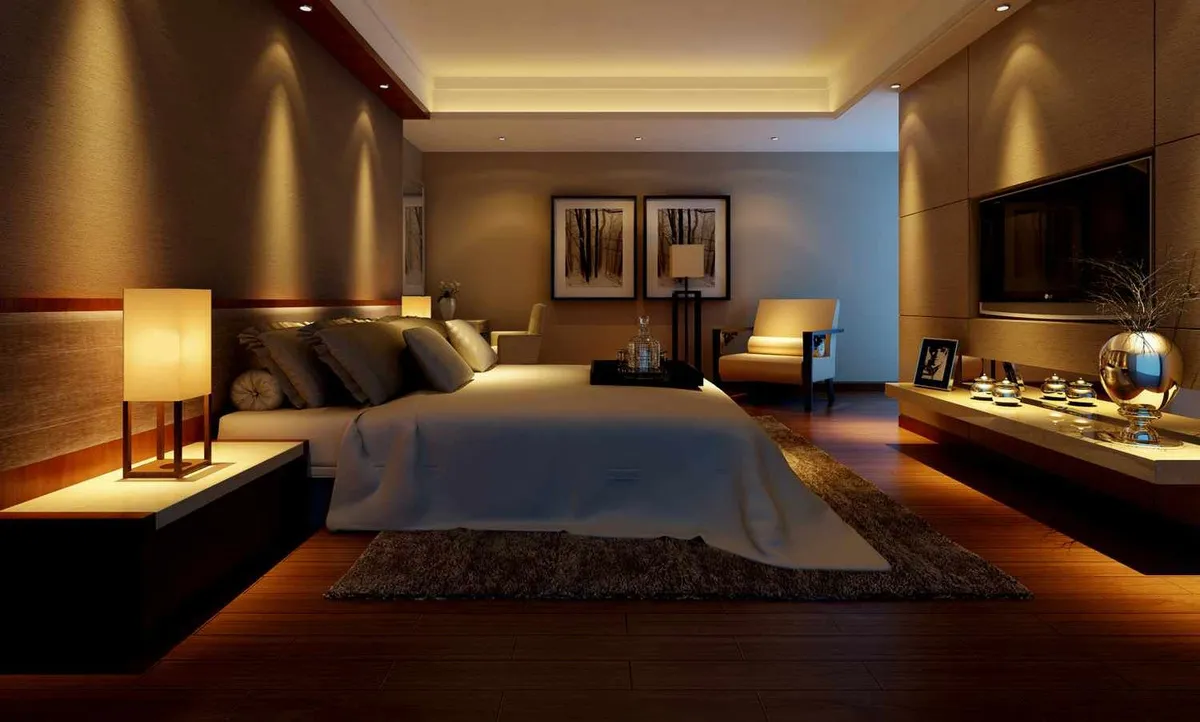
Enhancing Colors and Textures Through Proper Lighting
Proper lighting significantly improves how colors and textures appear within any interior. Warm lighting enhances earthy tones and creates a cozy ambiance, while white or natural light highlights modern, neutral colors with greater clarity. Lighting also influences texture perception—side lighting reveals patterns and surface details, while overhead lighting softens imperfections and creates a unified look.
When lighting is distributed smartly, it enhances curtains, wood surfaces, and fabrics, making each element more vivid and visually appealing. Choosing the right lighting is a smart way to elevate interior décor and create an aesthetically balanced space.
Achieving Balance Between Lighting and Décor
Achieving harmony between lighting and décor is essential for successful interior design. Balance begins with understanding the function of each room and then selecting lighting that supports its purpose without overpowering the décor. Warm lighting enhances wooden textures and soft fabrics, while cool lighting highlights modern lines and neutral palettes.
Strategically directed lighting draws attention to accent pieces such as artwork or signature furniture, creating visual depth. When lighting is layered across ceilings, walls, and side fixtures, the result is a rich, cohesive atmosphere where décor and lighting complement, rather than compete with, each other.
Using Smart Lighting to Enhance Interior Design
Smart lighting has become one of the key tools in modern interior design. It not only delivers appropriate illumination but also creates adjustable moods that match the lifestyle and needs of the occupants. Smart systems enable full control over brightness levels, color temperatures, and lighting distribution, allowing users to change a room’s atmosphere with a single tap—warm and cozy at night, bright and energetic during the day.
Smart lighting also highlights décor elements such as feature walls or shelves, enhancing sophistication and modernity. In addition, it helps reduce energy consumption through precise brightness control.
Know more about the best interior design companies
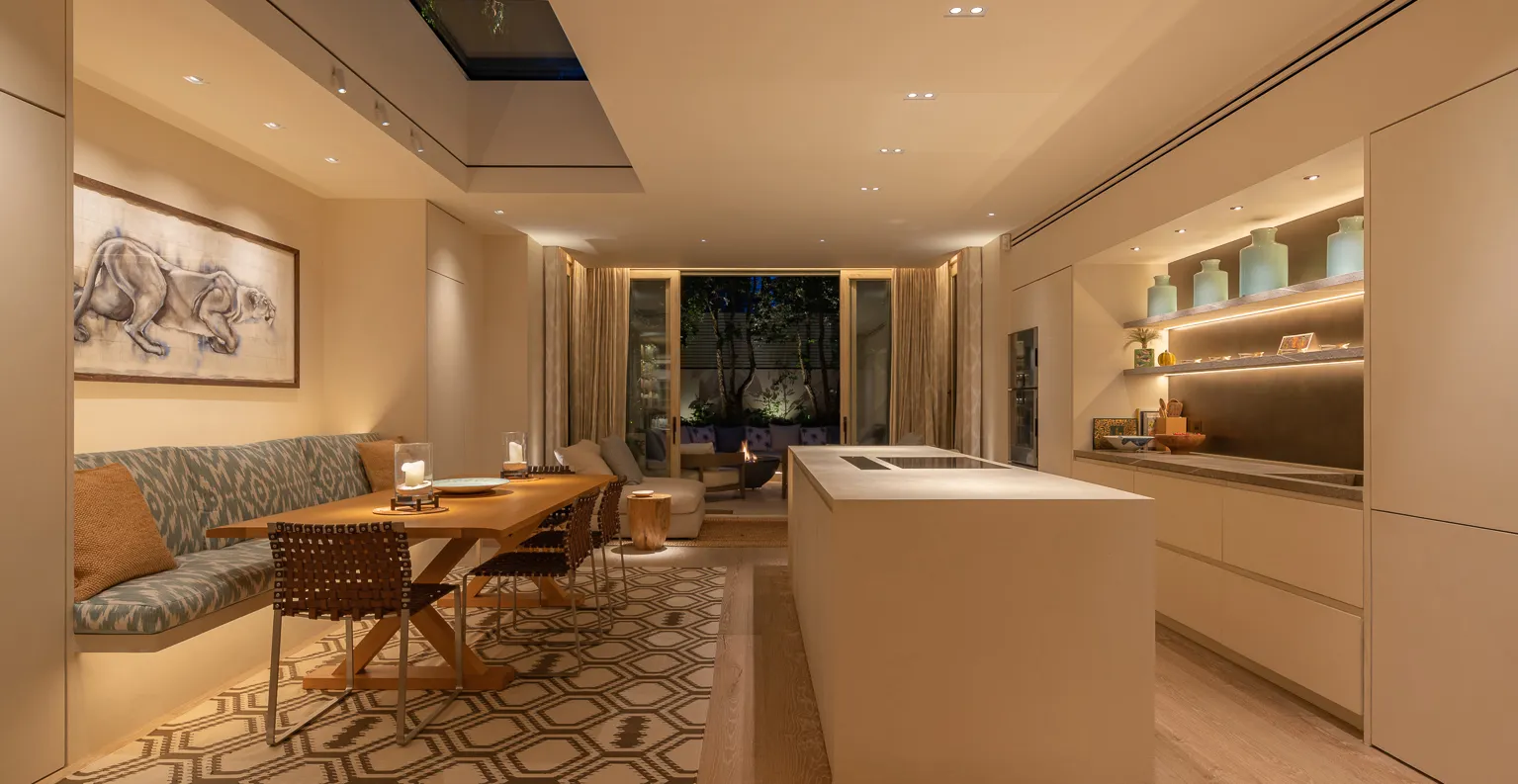
How to Use Smart Lighting
Connect your smart lighting system to a mobile app to adjust brightness, set color tones, and create preset lighting scenes suitable for each activity.
Types of Lighting in the Home
Lighting in interior design plays a key role in shaping the identity and atmosphere of a space. Each lighting type has a different function:
Main Lighting Types
- Ambient Lighting
- Task Lighting
- Accent Lighting
Each type contributes to improving comfort, visibility, and the overall aesthetics of the home.
Methods of Using Light in Interior Design
Light is one of the most powerful elements in interior design, as it creates depth, reshapes spatial dimensions, and enhances visual balance. Strong lighting highlights architectural lines and creates spaciousness, while soft lighting builds warmth and intimacy.
Directional lighting emphasizes focal points such as artwork or decorative accessories, while concealed lighting adds elegance without showing its source.
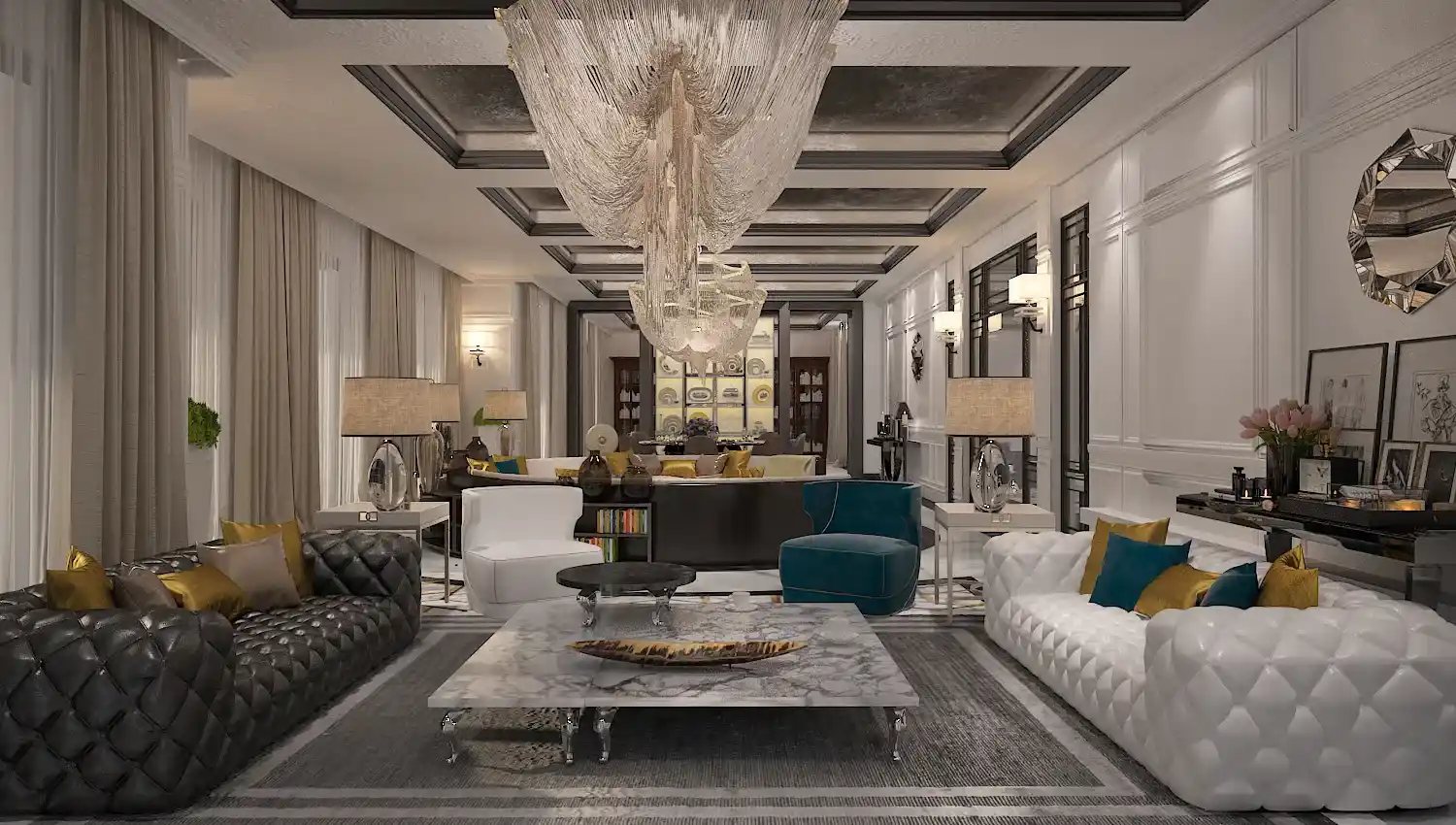
Practical Lighting Techniques
- Use ambient lighting to distribute light evenly.
- Utilize task lighting to emphasize specific items.
- Apply concealed lighting for depth and elegance.
- Combine multiple lighting levels to achieve visual harmony.
Frequently Asked Questions About Lighting in Interior Design
How can lighting improve room colors?
By choosing the right color temperature. Warm lighting enhances earthy tones, while cool or natural lighting improves the clarity of neutral and modern colors.
How do I choose the right lighting type for each space?
Determine the function of the room first.
- Ambient lighting for living rooms and open spaces
- Task lighting for offices and kitchens
- Accent lighting for artwork or decorative displays
What effects can lighting create inside a room?
Lighting can make a room appear larger, warmer, more energetic, or more relaxing. It also enhances color perception, highlights details, and improves overall mood.