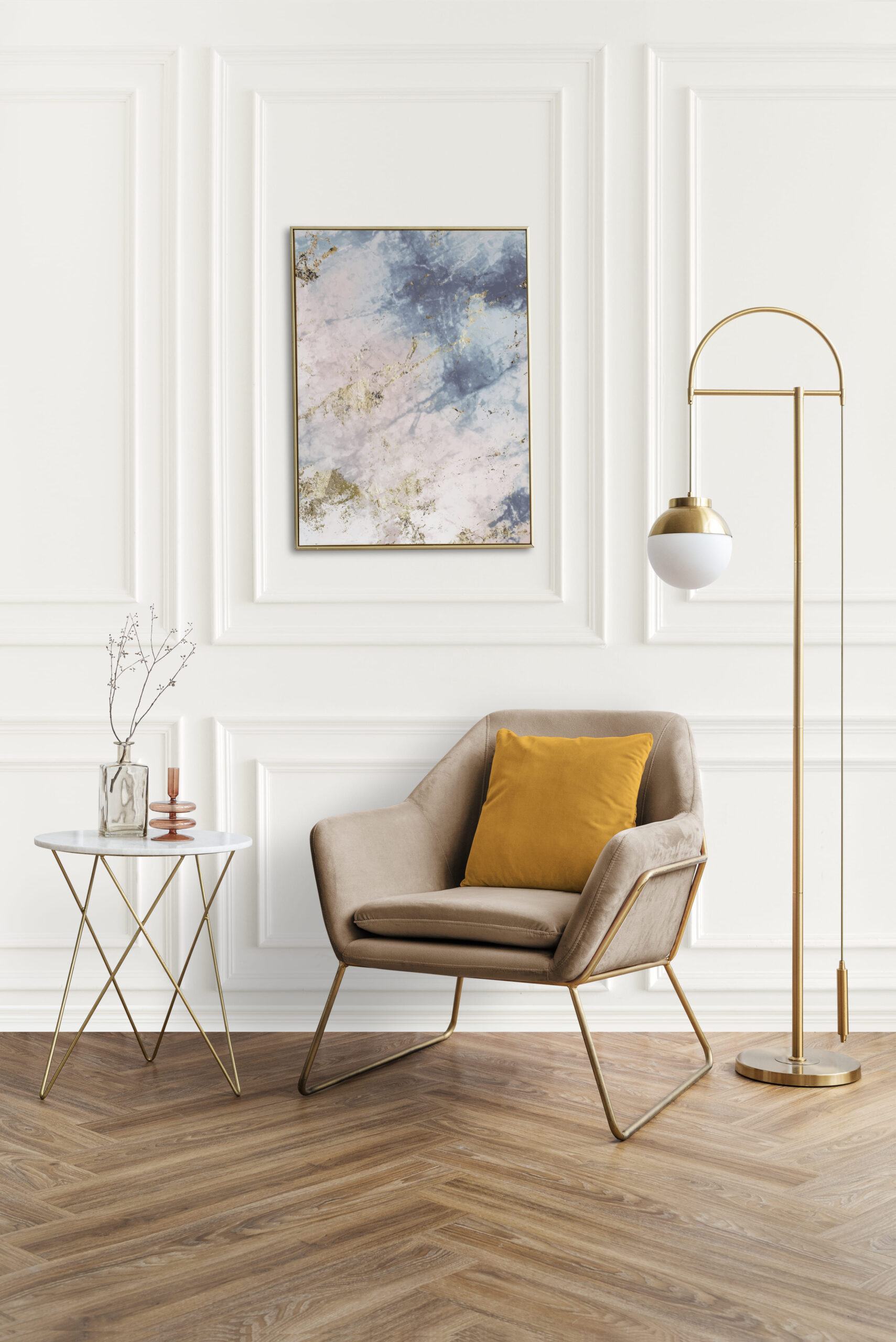
Choosing the Best light temperature for home is a fundamental step toward creating a warm, comfortable, and visually balanced living space. Lighting is not merely a functional element; it is a powerful tool that highlights interior décor, defines the overall mood of each room, and directly affects how comfortable you feel inside your home. The success of any interior design relies heavily on selecting the appropriate lighting color, as it can make spaces appear more spacious or warmer and control how clearly details and colors are perceived. Therefore, understanding the suitable lighting tones for each room helps create a harmonious atmosphere that aligns with the purpose and activities of every area within the house.
Best light temperature for home
When choosing the Best light temperature for home, it is essential to recognize that each room has different requirements in terms of brightness level and color temperature. Warm yellow lighting is considered ideal for living rooms and bedrooms because it creates a sense of calm and intimacy and promotes relaxation. Neutral white lighting, on the other hand, is an excellent choice for kitchens and dining areas, as it provides high clarity that highlights details without being harsh on the eyes. Cool white lighting is best suited for home offices and bathrooms, as it enhances focus and supports precise task performance. Combining general lighting, task lighting, and accent lighting ensures balanced distribution that enhances furniture and color schemes. This coordination guarantees visual comfort and efficient lighting for daily use.
Common Types of Lighting Colors and Their Effect on the Home
Home lighting largely depends on the type of light color used, as each tone creates a different effect on mood and ambiance. Choosing the right lighting color provides visual balance and highlights furniture and décor, while inappropriate lighting can make a space feel dull or uncomfortable. Understanding the most common lighting colors is essential for creating a well-coordinated home environment, as some tones promote warmth and comfort while others enhance clarity and energy, helping every room serve its intended function effectively.
Common lighting colors and their effects:
- Warm Light (Yellow): Creates a cozy and calming atmosphere, ideal for bedrooms and living rooms.
- Neutral White Light: Balances warmth and clarity, suitable for kitchens and dining rooms.
- Cool White Light: Enhances concentration and activity, perfect for home offices and bathrooms.
- Daylight Lighting: Provides high visibility and highlights fine details, ideal for reading and precision tasks.
Read now: Renovating your home decor on a budget

Types of Lighting Distribution in Rooms and the Role of Each
Diversifying lighting sources within a room is essential for achieving a visually and functionally balanced environment. Each type of lighting plays a different role in highlighting elements, shaping ambiance, and supporting daily activities. Relying on a single light source may make the space either dull or visually uncomfortable, while combining general, task, and accent lighting creates a more harmonious and professional design. Layered lighting helps define relaxation and work zones and enhances décor details, contributing directly to psychological comfort and elegance.
Main types of lighting distribution:
- General Lighting: Illuminates the entire space.
- Task Lighting: Used for reading, cooking, and desk work.
- Accent Lighting: Highlights artwork and architectural elements.
- Ambient Lighting: Creates a soft and relaxing atmosphere.
Ideal Areas for Yellow Lighting
Yellow lighting plays an important role in creating a warm and comfortable atmosphere inside the home. It helps calm the nerves and adds a sense of intimacy and coziness, making it ideal for spaces dedicated to relaxation and family interaction. Using yellow lighting in appropriate areas not only enhances aesthetic appeal but also improves mood and emotional comfort.
Ideal areas for yellow lighting:
- Bedrooms: Encourages relaxation and restful sleep.
- Living rooms: Create warmth for family gatherings and guests.
- Dining rooms: Adds intimacy and comfort during meals.
- Hallways: Provides soft lighting without visual discomfort.
- Reading corners: Offers a calm and cozy environment.
Ideal Areas for White Lighting
White lighting is ideal for spaces that require greater clarity and focus. It gives a clean and spacious feel while highlighting details accurately. White lighting is commonly used in modern homes to support productivity and enhance visibility without causing eye strain.
Ideal areas for white lighting:
- Kitchens: Ensures clear visibility of food and tools.
- Bathrooms: Provides full clarity for personal care.
- Study and workspaces: Enhances concentration and mental performance.
- Small spaces: Makes rooms appear larger and brighter.
- Closets and dressing rooms: Displays true clothing colors accurately.
Common Types of Core Lighting Used in Interior Design
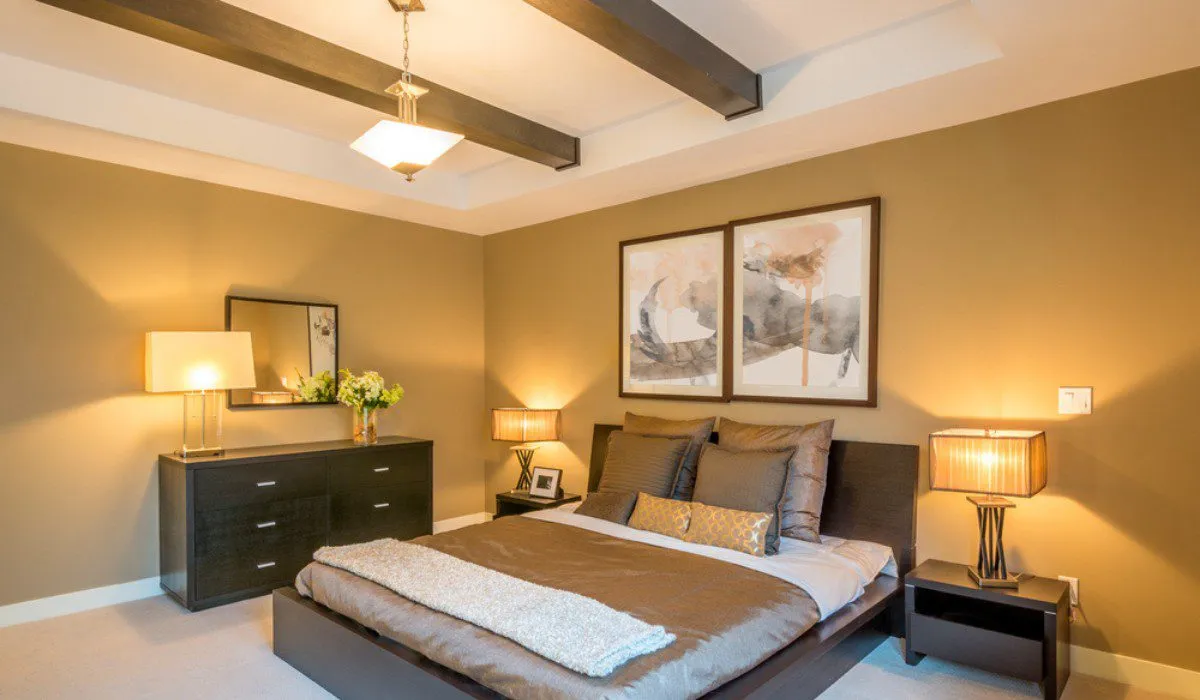
Core lighting is a central element in any successful interior design. It defines the character of the space, highlights its features, and sets the overall mood upon entry. Modern décor relies on combining multiple lighting types to achieve both functional and visual balance.
Main types of core lighting:
- Ambient Lighting: Provides overall illumination.
- Task Lighting: Designed for specific activities.
- Accent Lighting: Highlights decorative elements.
- Hidden Lighting: Adds soft elegance, especially in false ceilings.
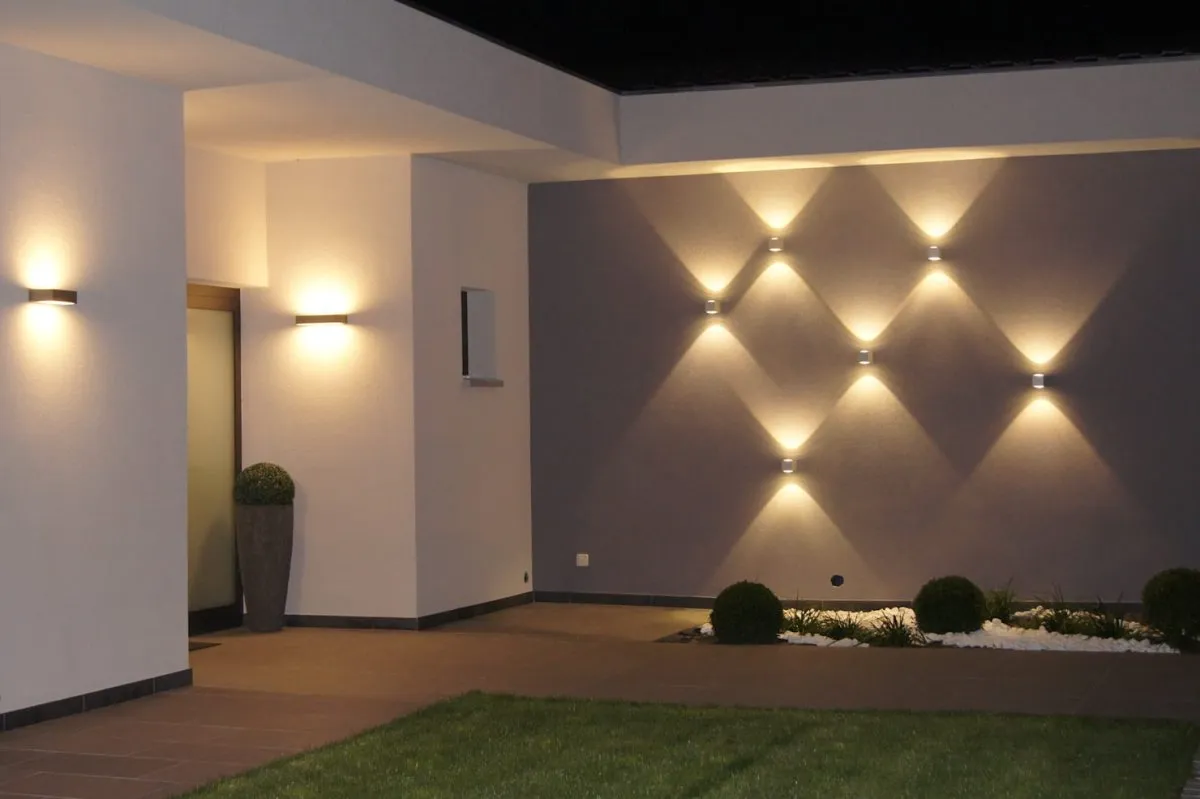
- Wall Sconces: Create depth and distribute light stylishly.
Important Points About Home Lighting Colors
Choosing the Best light temperature for home plays a crucial role in shaping the ambiance and psychological comfort. Lighting affects how wall and furniture colors appear and influences the sense of warmth or spaciousness in a room. Understanding these key points helps create a harmonious environment suitable for daily use.
Key points to consider:
- Yellow lighting enhances warmth and comfort.
- White lighting offers clarity and functionality.
- Neutral lighting balances brightness and warmth.
- Light intensity affects mood as much as color.
- Mixing lighting colors improves visual depth and décor appeal.
The Role of Different Lamps in Interior Décor
Lamps play a vital role in interior décor, serving as both lighting sources and design elements. The type, shape, and color of lamps influence furniture visibility, define focal areas, and create either spaciousness or warmth. Floor and table lamps add layered lighting, while chandeliers and pendant lights add luxury and sophistication.
Essential Bedroom Lighting Tips
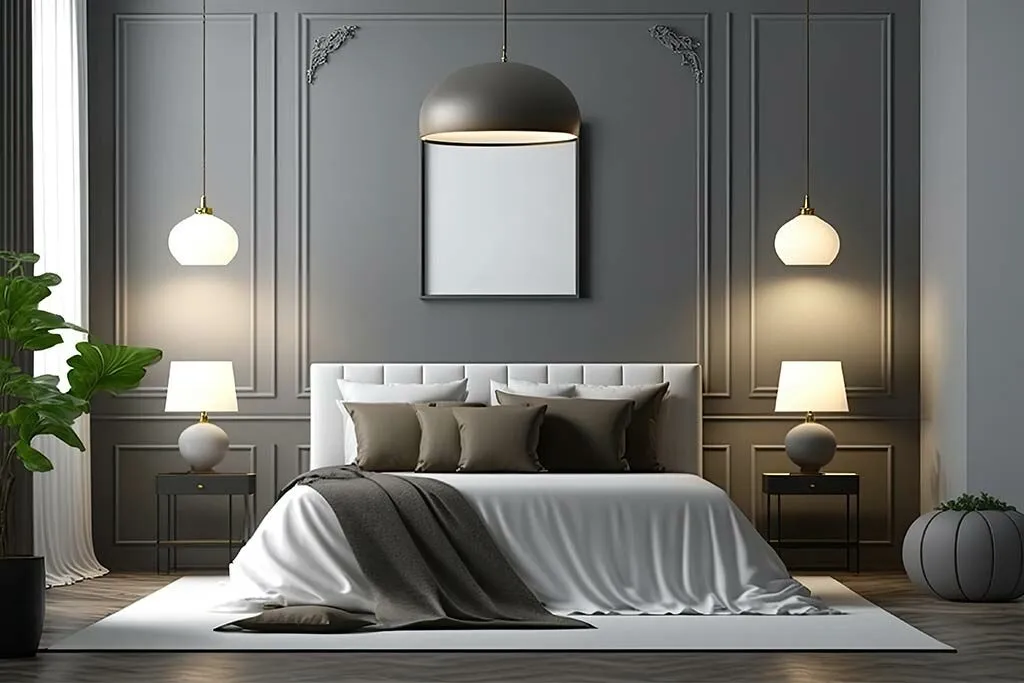
Bedroom lighting is a key factor in visual comfort and sleep quality. Successful bedroom lighting relies on combining general lighting with side lamps and task lighting to create a flexible and relaxing environment. Choosing suitable lighting colors and distributing them thoughtfully prevents glare and enhances tranquility.
Bedroom lighting tips:
- Use warm yellow lighting for relaxation.
- Rely on bedside lamps instead of harsh ceiling lights.
- Add soft night lighting near the bed.
- Use hidden ceiling lighting for a calm look.
- Install dimmer switches to control brightness.
- Avoid cool white lighting that may cause visual tension.
Read more about Master Bedroom Paint Colors
Kitchen Lighting Distribution
Kitchen lighting distribution is essential for creating a functional and comfortable workspace. Effective lighting combines general lighting with task lighting for preparation areas and accent lighting for aesthetic enhancement. Proper distribution reduces shadows, improves safety, and creates a bright and practical cooking environment.
Common Lighting Distribution Mistakes and How to Avoid Them
Many homeowners struggle with achieving ideal lighting due to common mistakes, such as relying on a single light source or ignoring task lighting. Avoiding these mistakes requires thinking of lighting as a layered system and choosing suitable brightness levels for each space.
Common mistakes include:
- Using only one light source.
- Ignoring room size and ceiling height.
- Neglecting task lighting in kitchens or offices.
- Using lighting that is too bright or too dim.
- Placing lights behind the user causes shadows.
- Choosing unsuitable lighting colors for the room’s function.
Frequently Asked Questions About the Best Light Temperature for home
What is cool light, and how does it affect small spaces?
Cool light is a bluish-white light that enhances clarity and focus. In small spaces, it creates a sense of openness and brightness by reducing shadows.
Why is proper lighting distribution important?
Proper lighting distribution enhances comfort, beauty, and functionality. It highlights décor details, improves mood, increases productivity, and optimizes energy use.
Ultimately, the Best light temperature for home depends on the nature of each room and the atmosphere you want to create. The right choice enhances space appearance, highlights details, and provides lasting comfort throughout the day. By combining warm and white lighting and distributing them thoughtfully, you can achieve visual harmony without major décor changes. Understanding each space’s needs allows you to select ideal lighting that reflects your personal taste and elevates your interior design.