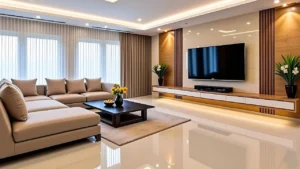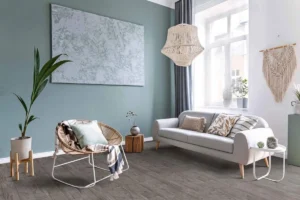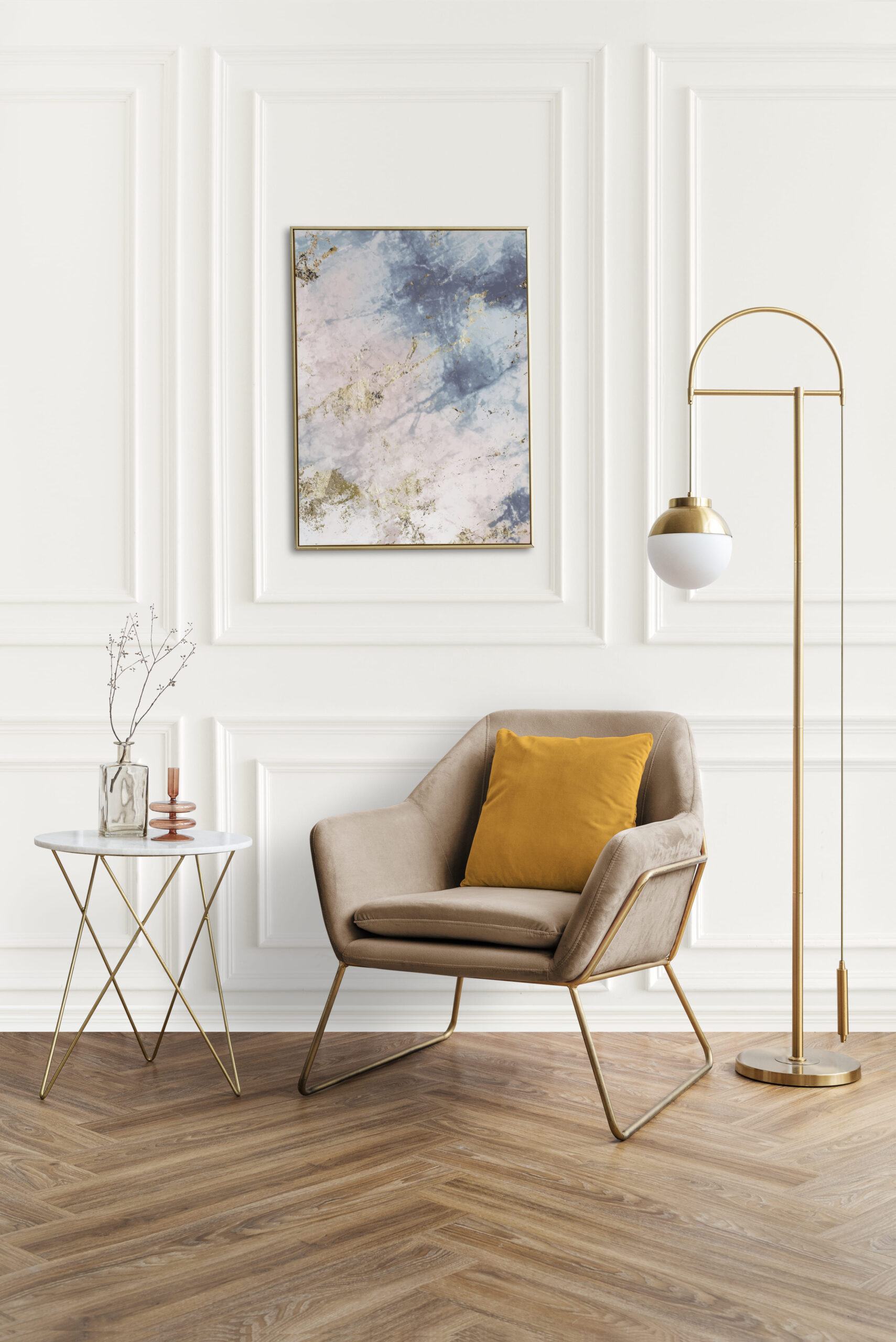
Space layout when designing a home is considered one of the most important elements that directly affect daily comfort and overall quality of life within a residence. Good design does not rely solely on aesthetic appearance or color selection; rather, it is fundamentally based on organizing spaces in a practical way that meets the needs of family members and suits their lifestyle. With the diversity of living patterns and available space sizes, smart home planning has become a necessity to ensure optimal use of every square meter while achieving a balance between privacy, comfort, and functional requirements throughout the home.
Space layout when designing a home
Space layout when designing a home depends on a careful study of the residents’ needs, their number, and the nature of how each area of the home will be used. Public areas such as living rooms and dining spaces require open layouts that allow smooth movement and social interaction, while bedrooms and bathrooms demand higher levels of privacy and tranquility.
The connection between spaces also plays a crucial role in facilitating movement throughout the home without wasting valuable space. Modern interior design additionally emphasizes maximizing natural lighting and proper ventilation when distributing rooms, along with allocating smart storage solutions that reduce clutter and maintain organization. All these factors contribute to creating a balanced home that combines aesthetics with functionality and provides residents with a sense of comfort and stability.
Fundamental Principles of Interior Space Planning
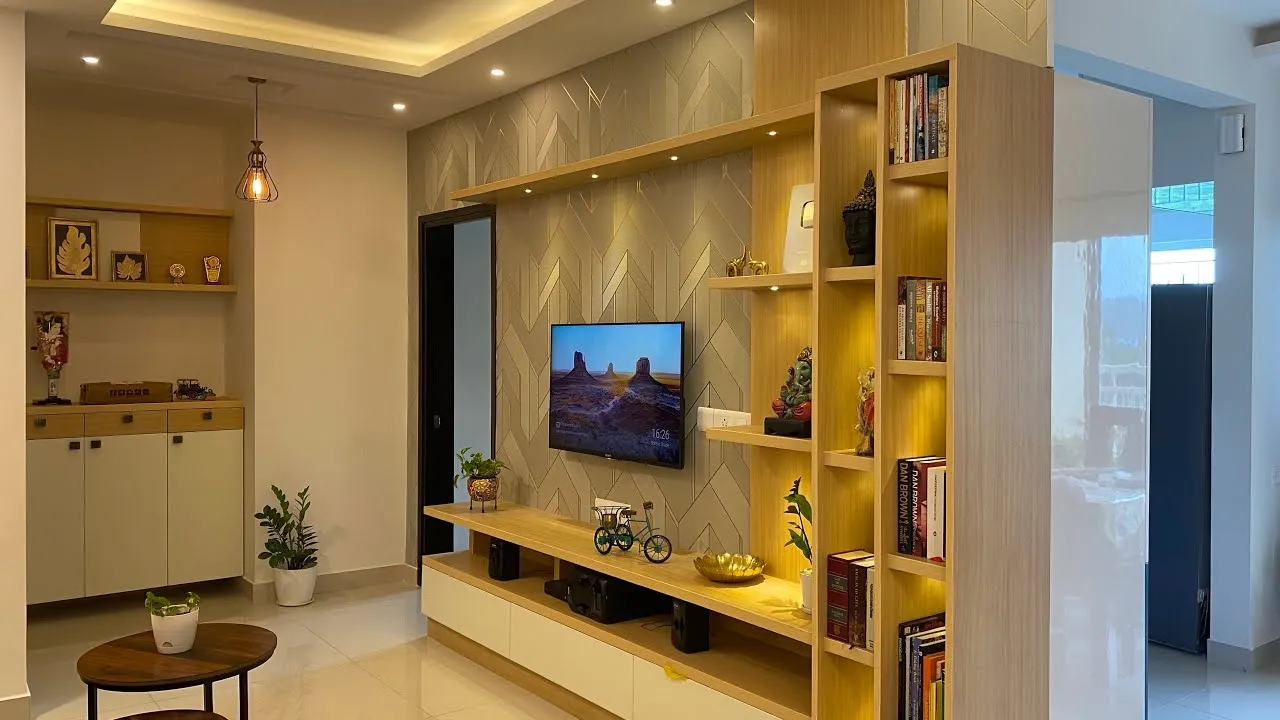
Successful interior space planning is based on a set of principles that ensure a balance between visual appeal and practical functionality. Good design is not limited to furniture placement or color selection; it focuses on organizing spaces in a way that aligns with daily use while ensuring comfort and ease of movement. When the principles of Space layout are applied when designing a home, spaces become more harmonious and capable of meeting user needs while making optimal use of the available area. The key principles of interior space planning include:
- Functionality: Defining the purpose of each space before starting the design process to ensure it meets user requirements.
- Ease of Movement: Providing clear and unobstructed pathways between rooms.
- Visual Balance: Distributing furniture and design elements harmoniously to create visual comfort.
- Privacy: Thoughtful separation between public and private areas within the home.
- Flexibility: Designing spaces that can be modified or repurposed in the future.
- Lighting and Ventilation: Maximizing natural light and proper airflow to enhance comfort and quality of living.
The Importance of Proper Interior Space Planning
Proper interior space planning is a core element in the success of any interior design project, as it directly affects user comfort and quality of life. Smart space distribution allows efficient use of every square meter, prevents overcrowding or wasted areas, and helps create a balanced environment that blends beauty with functionality. When planning is well thought out, the home becomes more organized, easier to use daily, and better able to adapt to the evolving needs of the family. The importance of proper interior space planning can be summarized as follows:
- Enhancing comfort and ease of daily use.
- Maximizing efficient use of available space.
- Improving the overall aesthetic appearance.
- Ensuring privacy for household members.
- Enhancing lighting distribution and air circulation.
- Increasing the property’s market value.
What Is the 70/30 Rule in Interior Design?
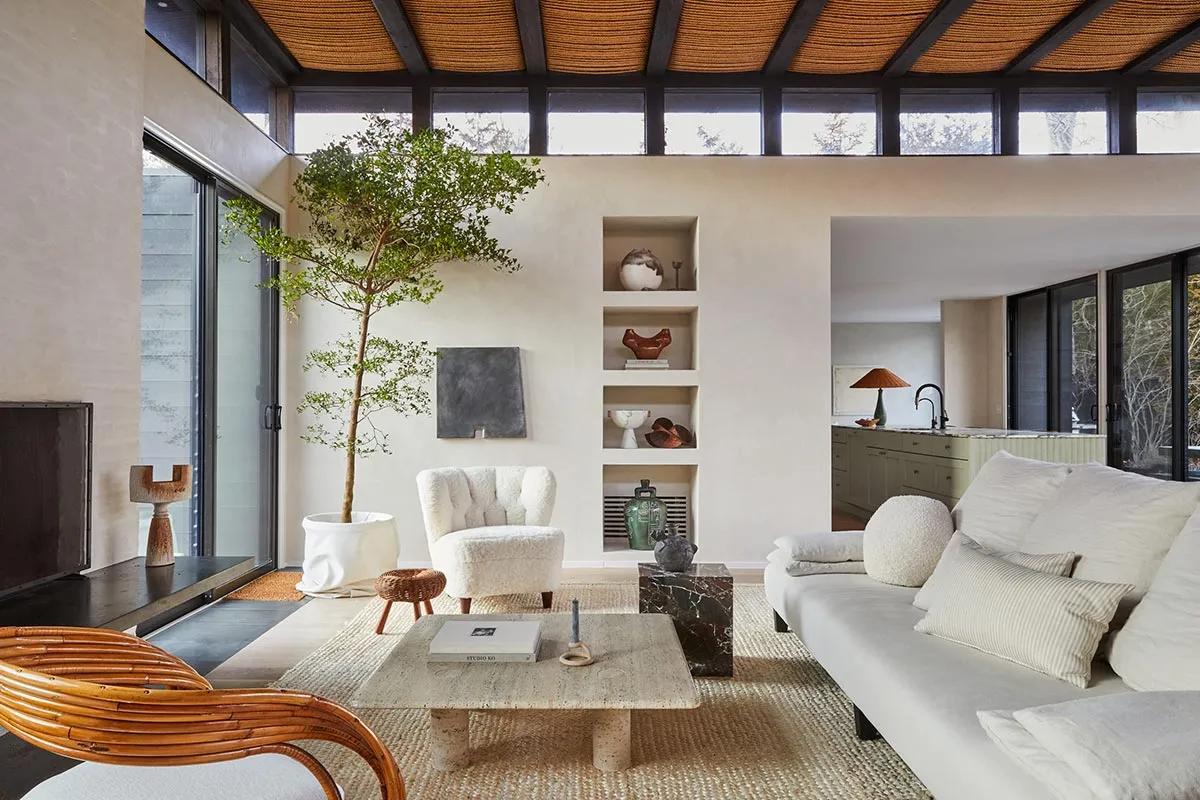
The 70/30 rule in interior design is a principle aimed at achieving visual balance within a space. It involves allocating the larger percentage of the design to one dominant element, while the remaining portion is reserved for a secondary supporting element. This rule helps avoid visual clutter and maintains harmony in colors, materials, and design elements, resulting in a comfortable and cohesive appearance. A brief explanation of the 70/30 rule includes:
- 70%: Represents the primary design element, such as the main wall color or the dominant style of the space.
- 30%: Represents secondary elements such as accent colors, furniture, or accessories that add variety without overwhelming the design.
- Visual Harmony: Creates a balanced and calming visual experience.
- Ease of Application: Can be applied to colors, materials, or furniture styles within a room.
Modern Strategies for Interior Space Planning
Modern strategies for Space layout when designing a home focus on maximizing space efficiency while accommodating contemporary lifestyles. Planning is no longer rigid or traditional; instead, it relies on flexible and innovative solutions that adapt to daily changes and diverse user needs. By applying modern strategies, it is possible to create practical, stylish spaces that combine beauty with ease of use and give the home a distinctive character. Key modern strategies include:
- Open-Plan Spaces: Integrating living, dining, and kitchen areas to enhance spaciousness and flow.
- Flexible Design: Using foldable or movable furniture to change the function of spaces when needed.
- Smart Zoning: Utilizing lightweight or glass partitions instead of solid walls.
- Integrated Storage: Making use of walls and corners with concealed or built-in storage solutions.
- Natural Light Utilization: Orienting designs to benefit from windows and well-lit areas.
- Smart Technology: Incorporating smart systems to control lighting and space usage efficiently.
Practical Examples of Interior Space Planning
Practical examples of interior space planning provide a clear understanding of how design concepts can be translated into real-life solutions suitable for different types of homes. With thoughtful planning, daily functionality can be improved, and comfort and organization can be enhanced even in small spaces. These examples demonstrate how smart furniture distribution and appropriate zoning contribute to efficient space utilization without compromising aesthetics. Examples include:
- Small Apartments: Combining living and dining areas and using multi-purpose furniture.
- Bedrooms: Allocating separate zones for sleeping, storage, or work using simple dividers.
- Kitchens: Adopting L-shaped or U-shaped layouts for better workflow and workspace efficiency.
- Villas: Separating public and private areas to ensure privacy and usability.
- Home Offices: Utilizing corners or unused spaces to create comfortable work environments.
The Role of Multi-Functional Furniture in Optimizing Space
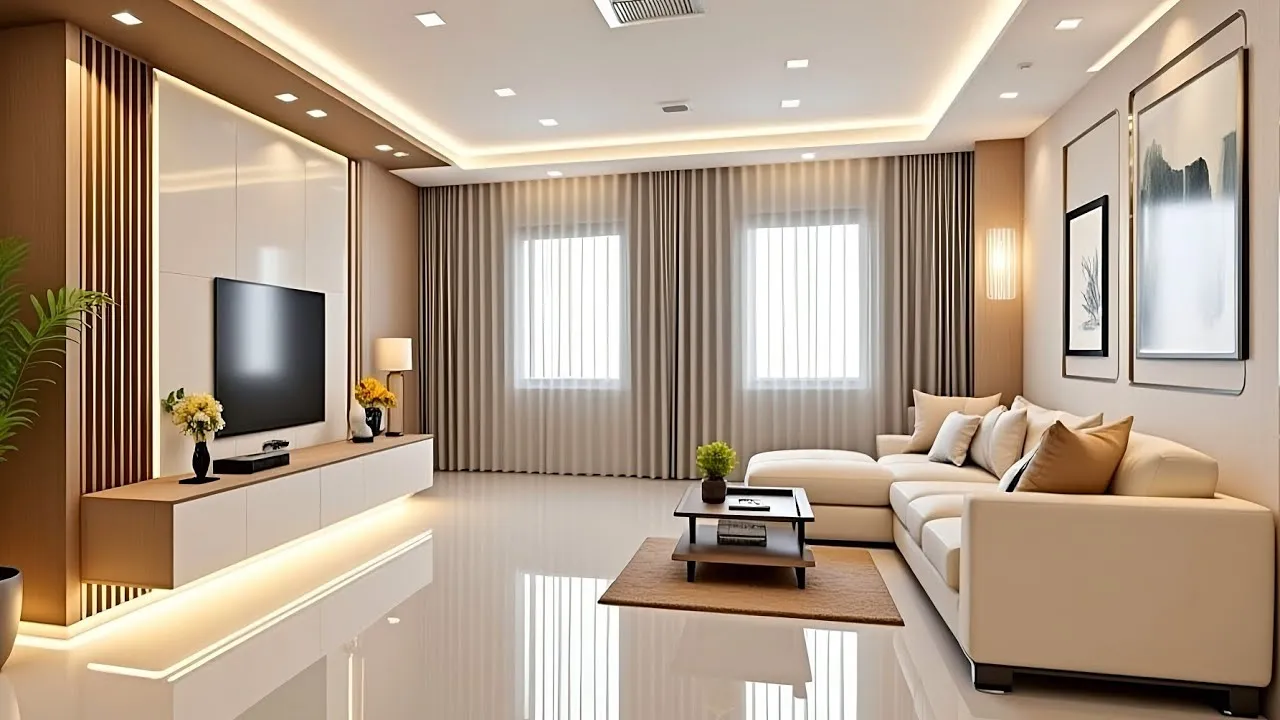
Multi-functional furniture plays a vital role inSpace layout when designing a home, especially in homes with limited space. It provides multiple uses within a single piece, such as beds with built-in storage or extendable tables, reducing the number of furniture items and maintaining a neat, practical appearance. This type of furniture also increases flexibility in daily use, allowing spaces to be easily adapted for work, relaxation, or hosting guests without compromising comfort or design harmony.
How to Choose and Arrange Furniture to Meet Your Needs
Choosing and arranging furniture in interior design requires a clear understanding of user needs and available space. Furniture should combine comfort, functionality, and aesthetic appeal. The process begins by identifying the purpose of each room and the number of users, followed by selecting appropriately sized pieces to avoid overcrowding. Furniture should be arranged to ensure smooth movement and visual balance, while making use of corners and underutilized areas. When planned correctly, furniture becomes a supportive element that enhances user comfort and reflects personal style without disrupting overall design harmony.
Creative Ideas for Furniture Arrangement in Small Spaces
Space layout when designing a home for small areas requires creative solutions that maximize every inch without creating a sense of congestion. Smart design focuses not only on reducing the number of items but also on selecting and positioning them strategically to enhance spaciousness and functionality. Innovative furniture arrangement ideas can transform compact spaces into comfortable, elegant, and user-friendly environments. Examples include:
- Using multi-functional furniture such as sofa beds or storage tables.
- Relying on vertical storage to free up floor space.
- Choosing visually light furniture with simple designs and light colors.
- Defining zones using furniture placement or rugs.
- Utilizing corners with corner units or tables.
- Maintaining clear movement pathways for better flow and comfort.
Common Mistakes to Avoid
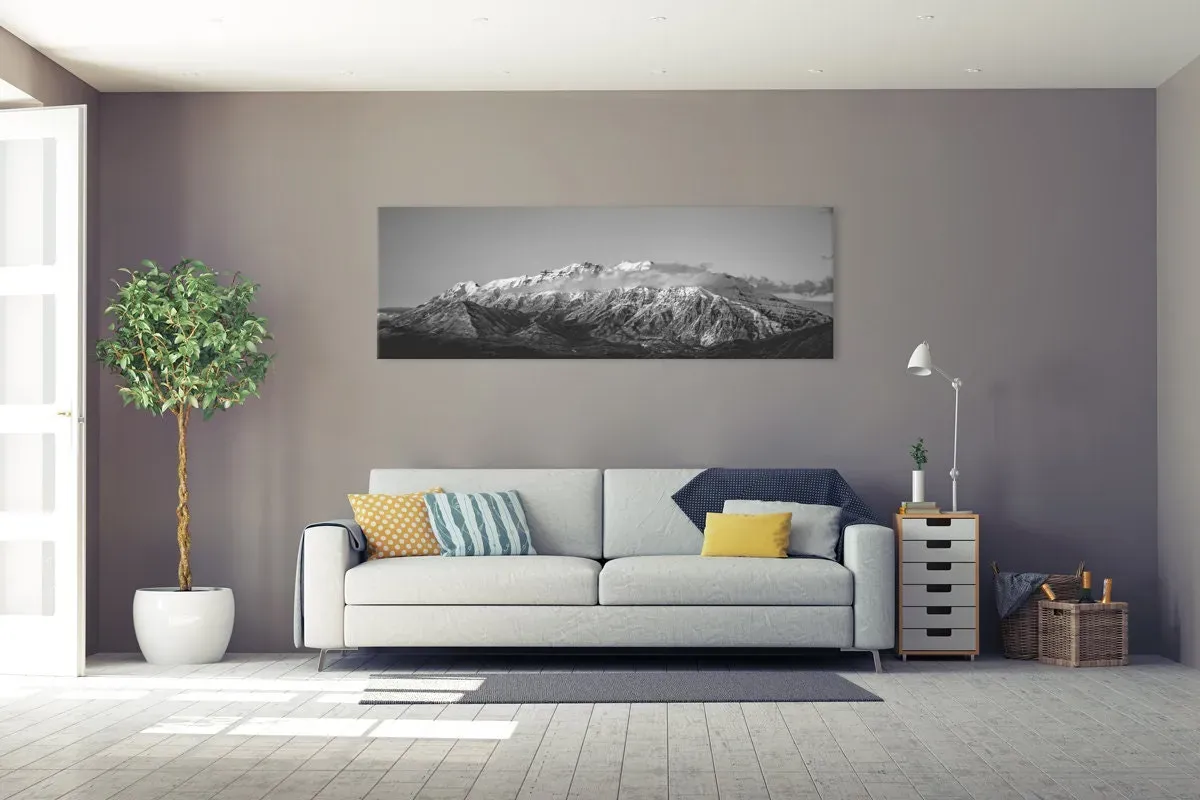
Many people make common mistakes when designing interior spaces or arranging furniture, negatively impacting comfort and usability even when individual elements are visually appealing. These mistakes often result from poor planning or focusing solely on appearance rather than practicality. Avoiding these issues helps create balanced, comfortable, and functional environments. Common mistakes include:
- Choosing furniture that does not suit the size of the space.
- Ignoring movement pathways within rooms.
- Overcrowding spaces with unnecessary furniture.
- Neglecting lighting considerations.
- Failing to utilize dead spaces such as corners and walls.
- Lack of visual harmony due to mismatched styles and colors.
How to Divide Spaces Without Walls
Dividing spaces without walls is a smart interior design solution, particularly in modern homes with open layouts. It helps define different functional areas while maintaining a sense of openness. This can be achieved by using furniture such as sofas or open shelving units, incorporating rugs to visually define zones, and utilizing lighting to distinguish each area based on its function. Variations in colors or materials can also help highlight different sections without the need for permanent walls.
FAQs About Space layout when designing a home
What is architectural space planning?
Architectural space planning refers to the organized distribution of spaces within a building, where the function of each area is defined and its relationship to others is established, ensuring usability, comfort, efficient movement, and aesthetic harmony.
What are the steps for architectural space planning?
The process begins with analyzing user needs and defining the function of each space, followed by studying the overall area in terms of dimensions, lighting, and ventilation. Relationships between spaces are then established, a preliminary layout is created, and the plan is reviewed to ensure balance between function, aesthetics, and efficiency.
Why is space planning important in the home?
Space planning is crucial for achieving comfort, ease of movement, optimal utilization of space, and a balance between functionality and aesthetics that meets family needs and enhances the quality of life.
Ultimately, proper Space layout when designing a home forms the foundation of any successful residential interior design. It directly affects residents’ comfort and long-term usability of the home. The more thoughtful and needs-based the planning process, the more efficient and appealing the living space becomes. Therefore, relying on a clear design vision or consulting professionals is highly recommended to ensure optimal use of space and transform the home into a practical, comfortable environment that supports daily life and promotes a true sense of harmony.